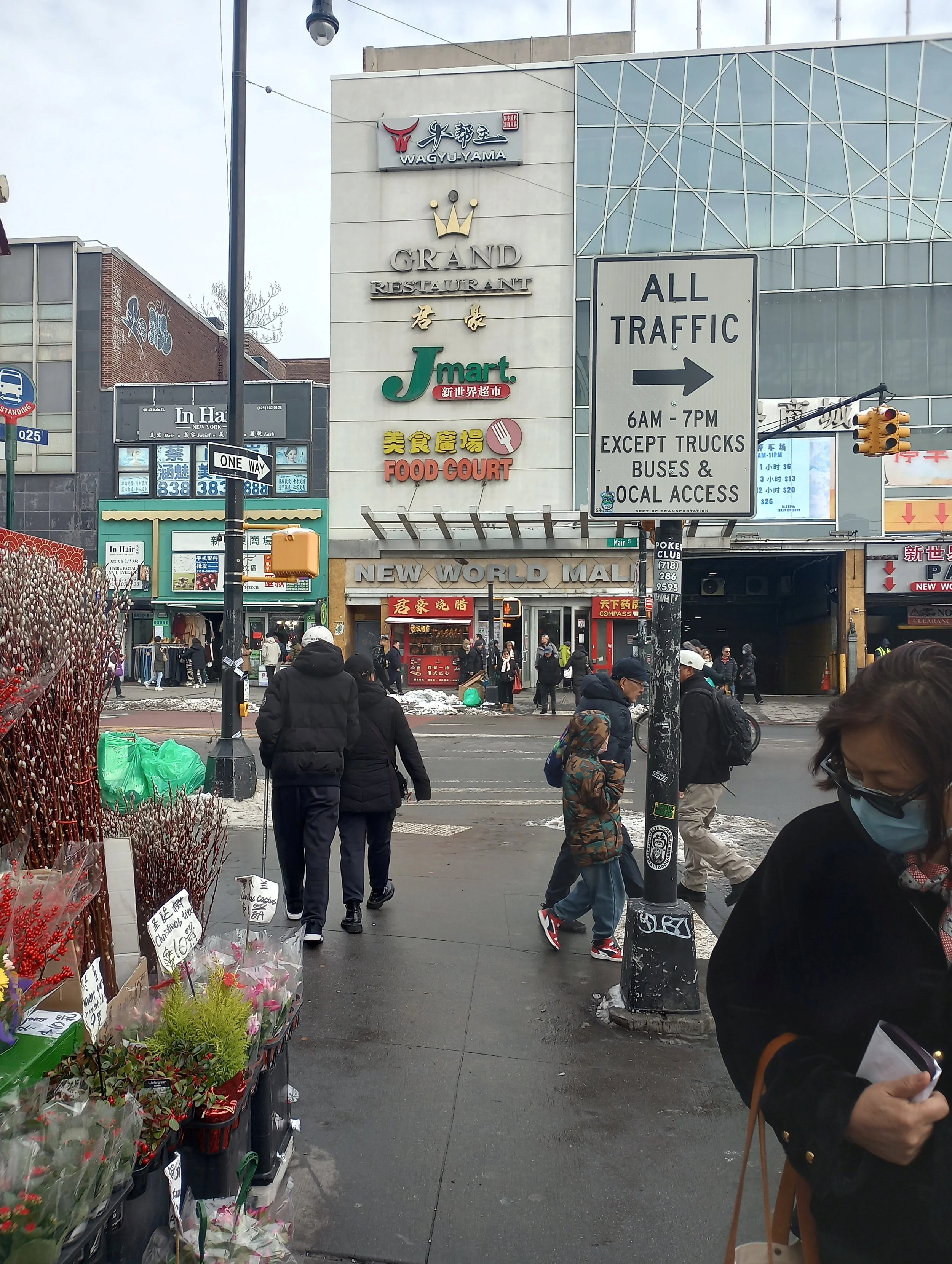
Mall immersion as more than shopping
in terms of security, experience, and the underlying economic stories, here are five examples.
By Monica Moran
2/25/2026
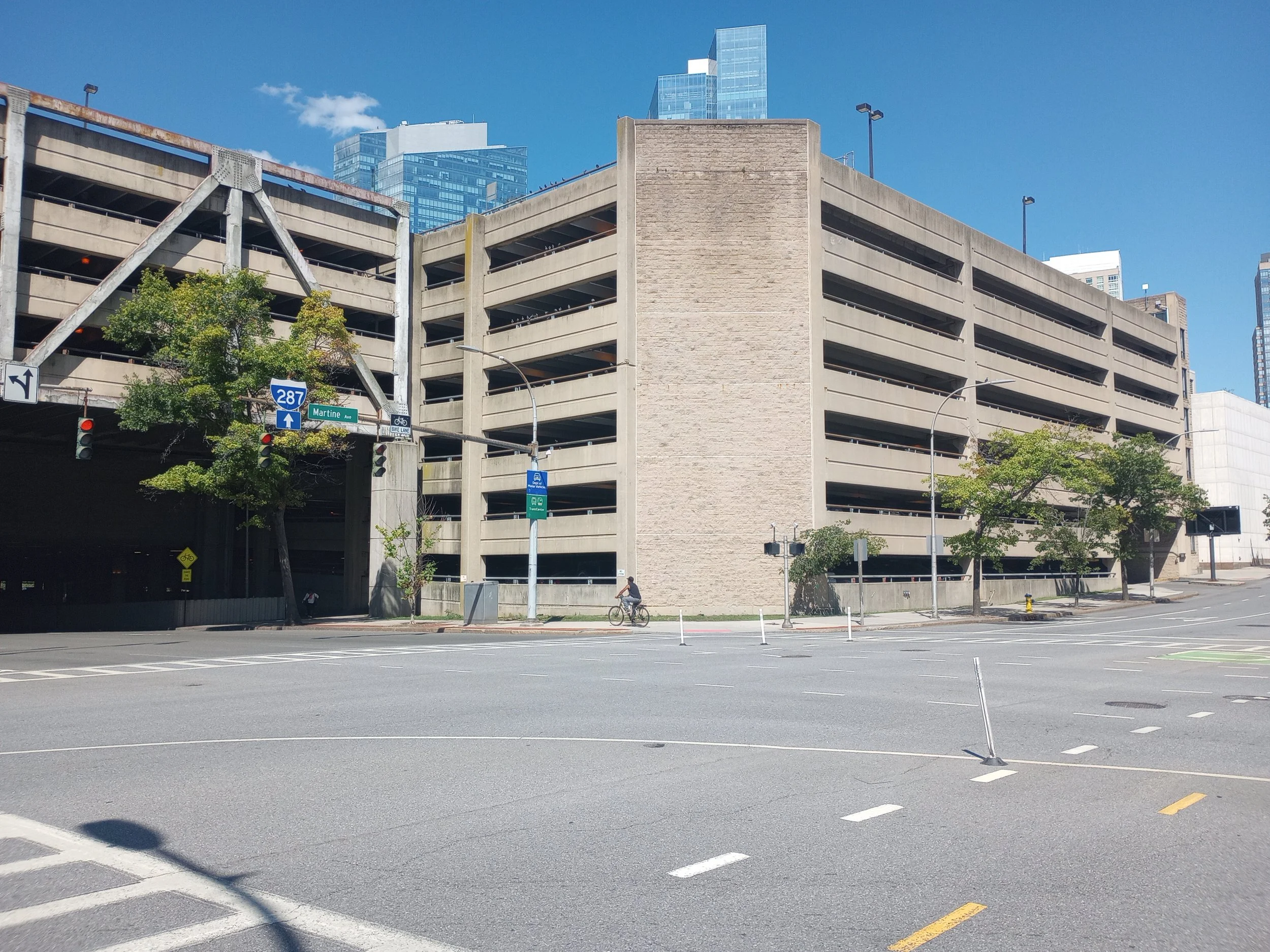
Galleria at White Plains is currently closed.
The term immersive is often used to describe mixed-reality presentations. In practice, it often blends technology, data, and social media-driven behavior. These environments are engineered to fully absorb the person moving through them. In that sense, It can feel like a kind of performative magic in the real world.
The increasingly popular immersive design is now a component in some healthcare settings as well as entertainment venues. Mixed-use or mixed-reality (MR) spaces are built to encourage that kind of engagement. Shopping can work the same way—whether a mall is crowded (or in some cases not-so-crowded), or nearly abandoned.
The Galleria at White Plains is an example of what a major overhaul can look like. The site is slated to become “District Galleria”, a dense, mixed-use redevelopment. Located in downtown White Plains, the project emphasizes a major residential component on the mall property. District Galleria is projected as a long-term development with an estimated cost of $2.5 billion dollars. Construction is expected to unfold on site and could take up to a decade to complete.
The evolution of the in-person shopping experience has been redefined. In terms of retail, the immersive environment can leave you with an emotional connection to the brand itself. Narrative building (often personalized through a social media ecosystem), and reenacted with in-store events and workgroups, can create a mixed reality through processing. Devices and data interact with purchases in real time.
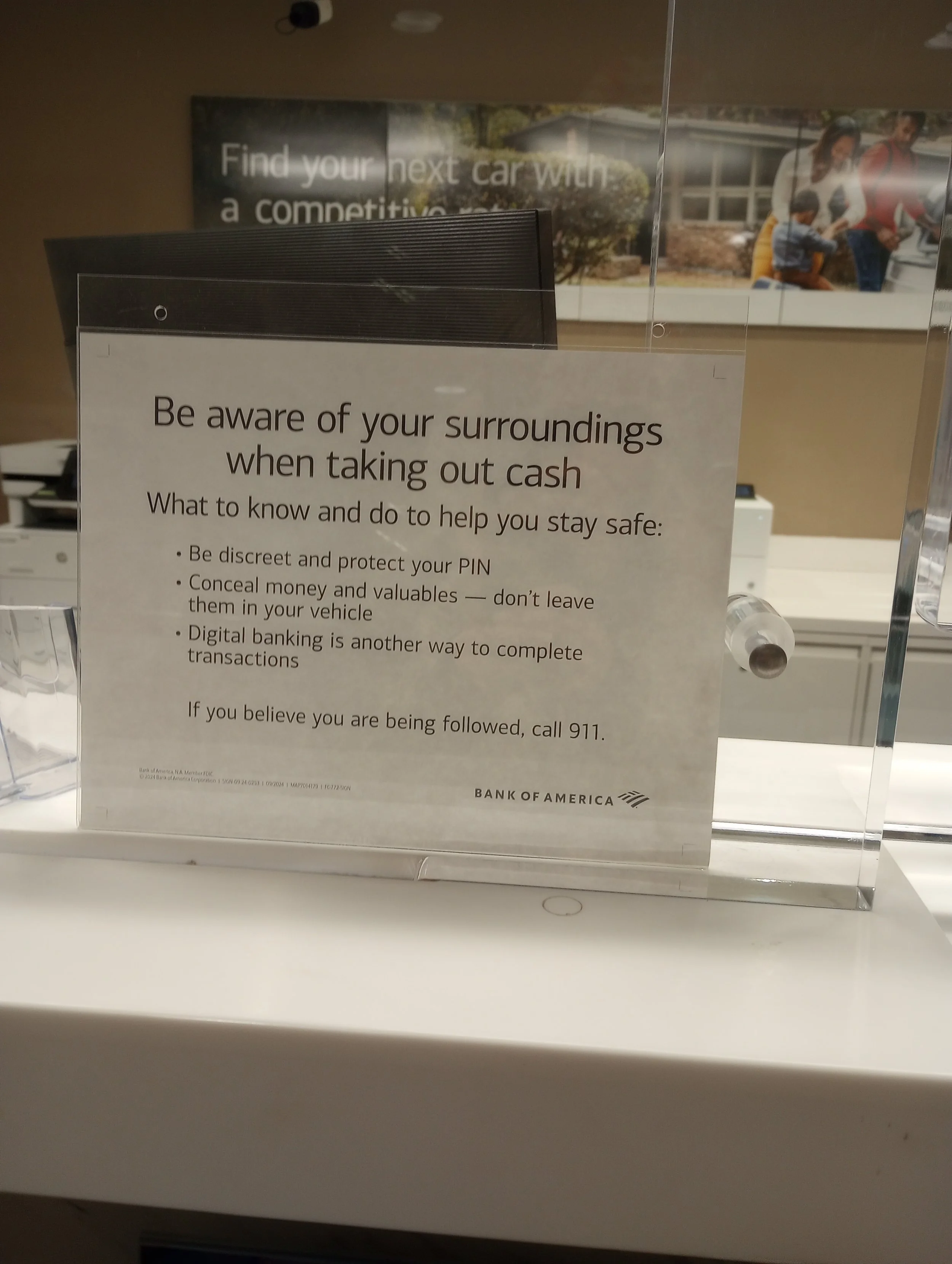
Bank of America branch Midtown Manhattan with a sign that states, “If you believe you are being followed, call 911.”
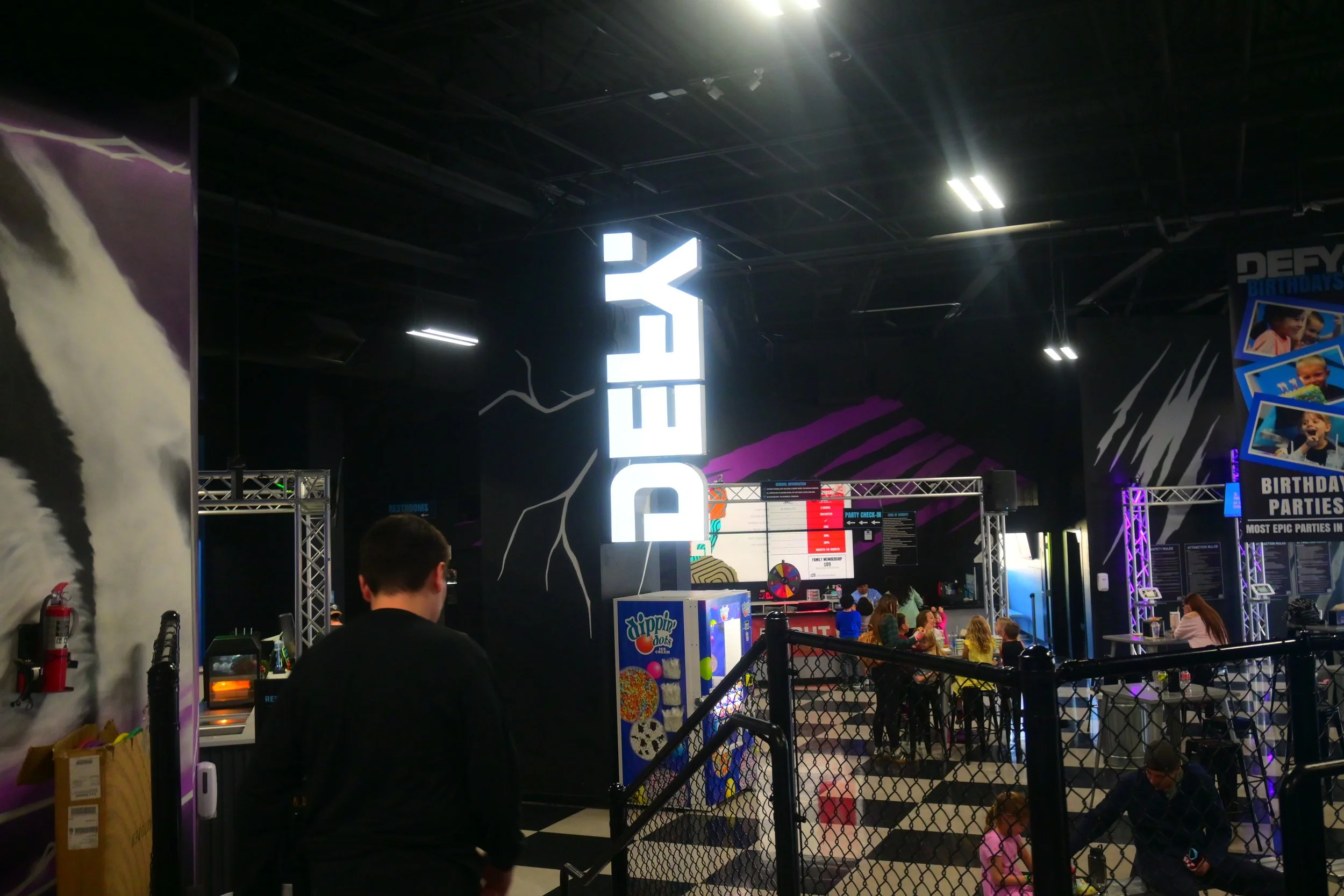
DEFY at Legends Mall, Sparks, Nevada
However, on the flip side there are alternative uses for immersive experiences. Security firms specialize in complex investigations and compliance for “big global companies like Walmart” and often manage loss from a preventative standpoint. These collaborations can be designed to address risks before they happen. More than just locking up bodywash and detergent, systems can rely on denial of service and streamline procedures to avoid having to tackle a suspected shoplifter altogether. The presence of a guard can make shopping feel policed. The experience may be immersive, but the charges will be real.
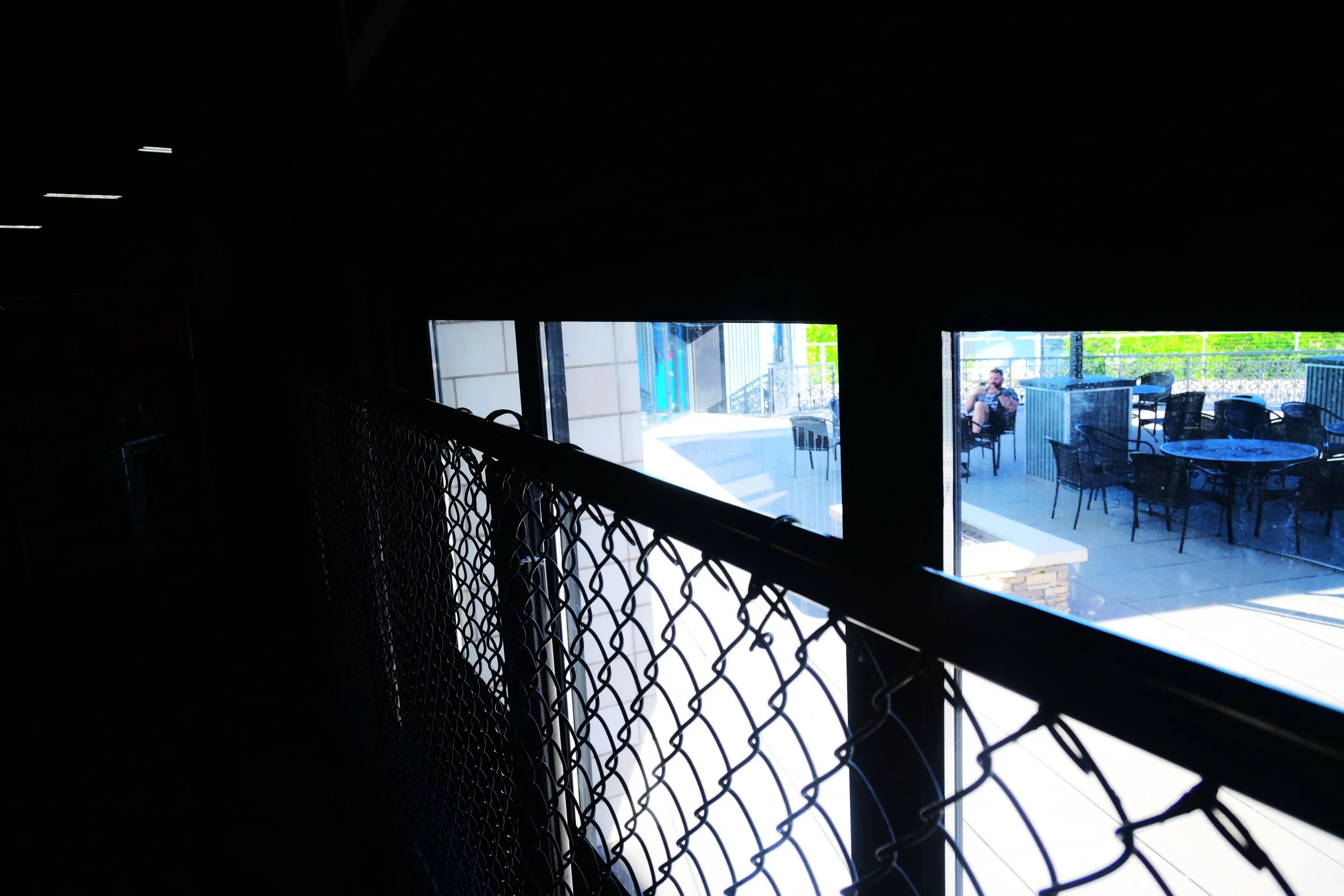
DEFY at Legends Mall, Sparks, Nevada
Legends Mall in Sparks, Nevada appeared to have updated features outside of Scheels, which “has been around for years” according to locals I spoke with. DEFY is located directly adjacent to Scheels which holds a famously strict return policy: “90 days with proof of purchase and firearm returns require items to be in like-new condition with original packaging”. (In other words, no rust).
Arely Fierro, who has worked at DEFY, for over three years, talked about “older, big-kid attractions that go up to age 16.”
There is a definite confusion associated with the venues, particularly when it comes to younger patrons like Arely. The immersive environment might cause shoppers to lose “situational awareness” and engage with a theatrical mind set.
Other retail venues, both high and low have a great deal in common due to the overall economic interests that encompass what used to be a more definitive class distinction. One way to think about this is through class institutions and who gets protected space.
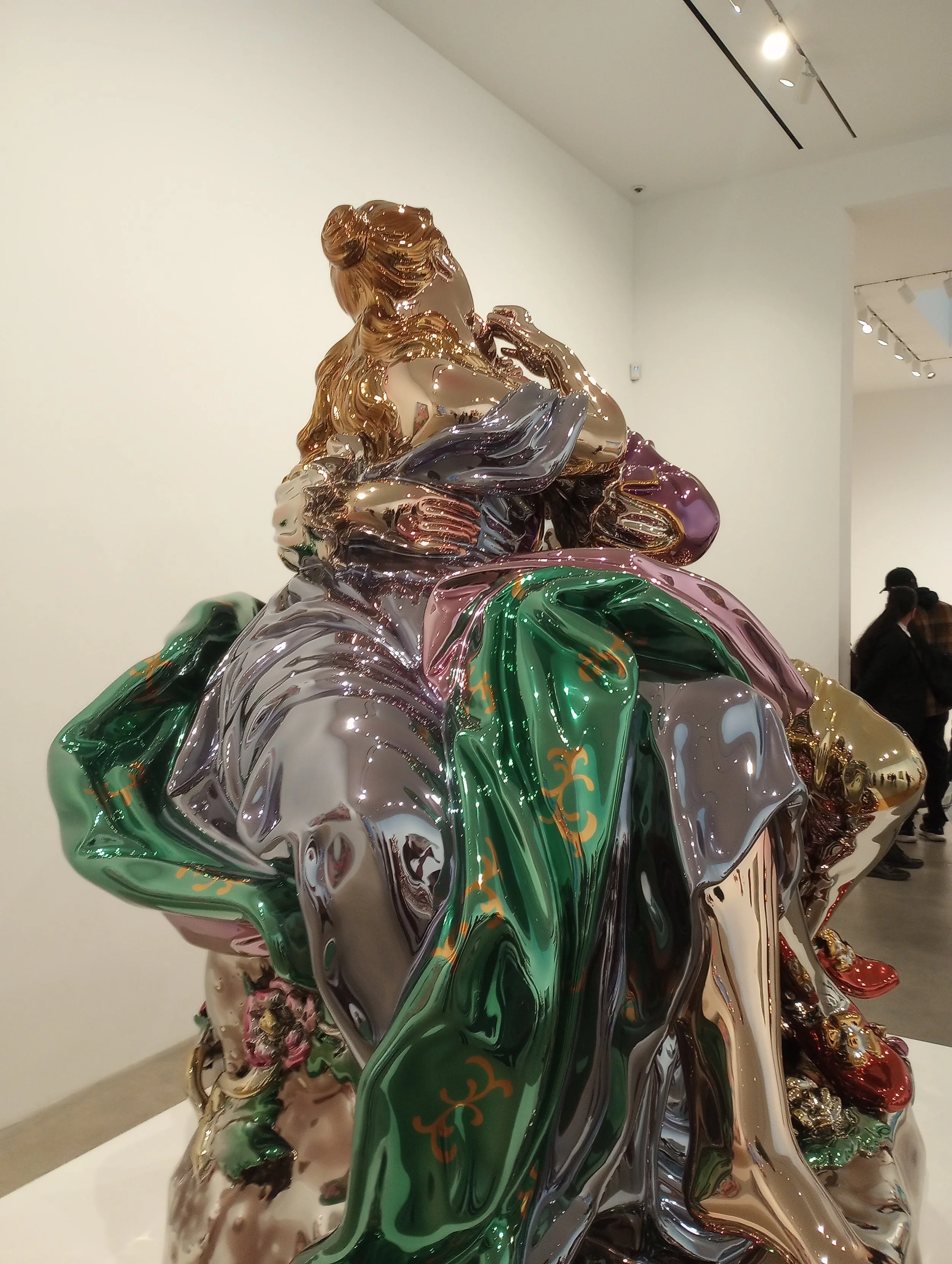
Gagosian Gallery is a well-known brick-and-mortar gallery in New York City that specializes in blue-chip art sales. Security guards stationed at a recent Jeff Koons exhibition are something new to the art scene. It can make the space feel accusatory. But is it immersive?
Gagosian Gallery, New York, New York
According to the UNODC 2026 report, “The evolution of criminal networks and illicit markets were motivating security dynamics,” the Acting Executive Director, John Brandolino stated, “In some countries, extortion has become a core revenue stream.”
One can’t help but think of Apple’s revolving door of software equivalents, and how the inventory may never have been exactly what it promised.
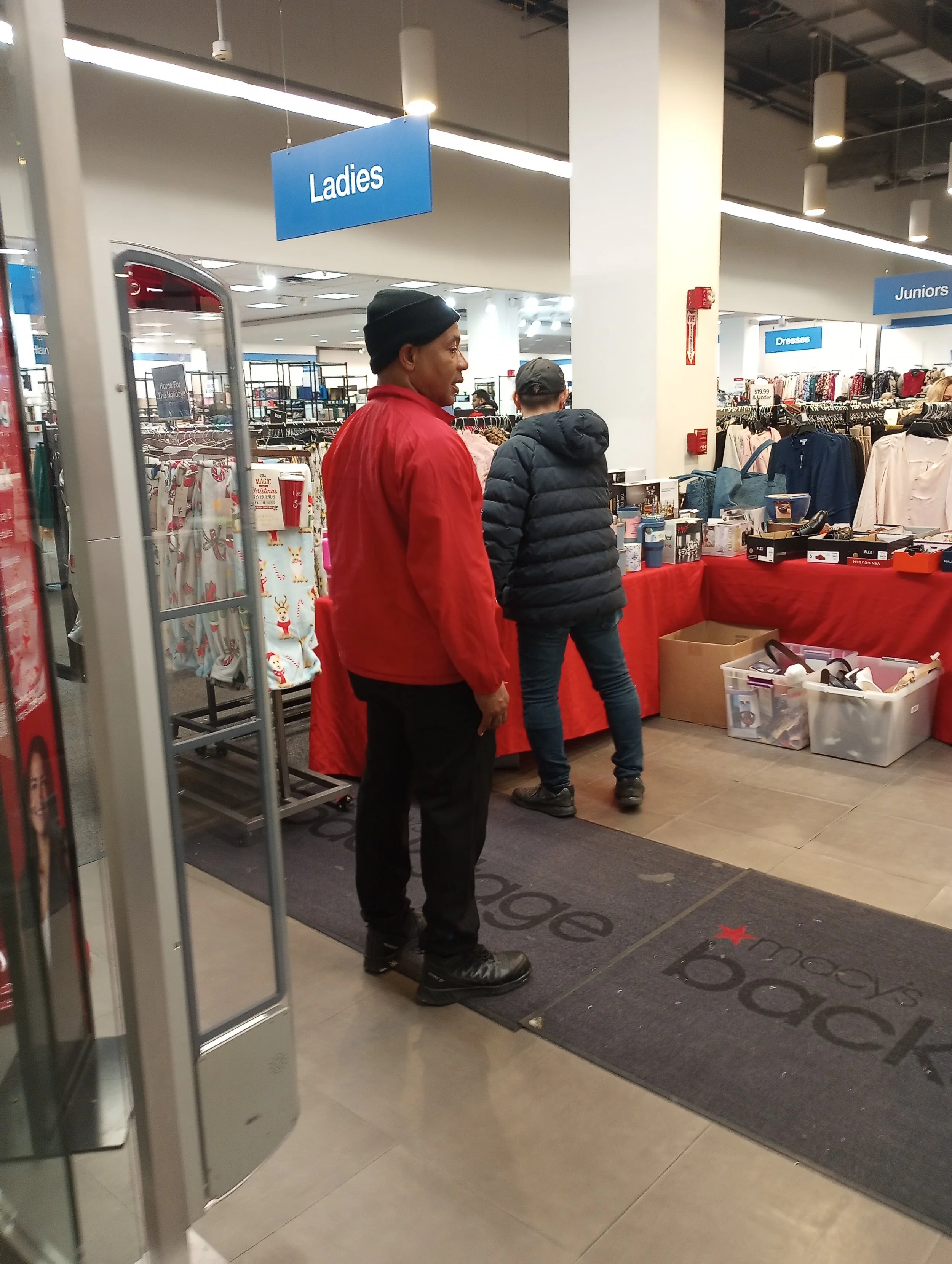
Macy’s Backstage, Elmhurts
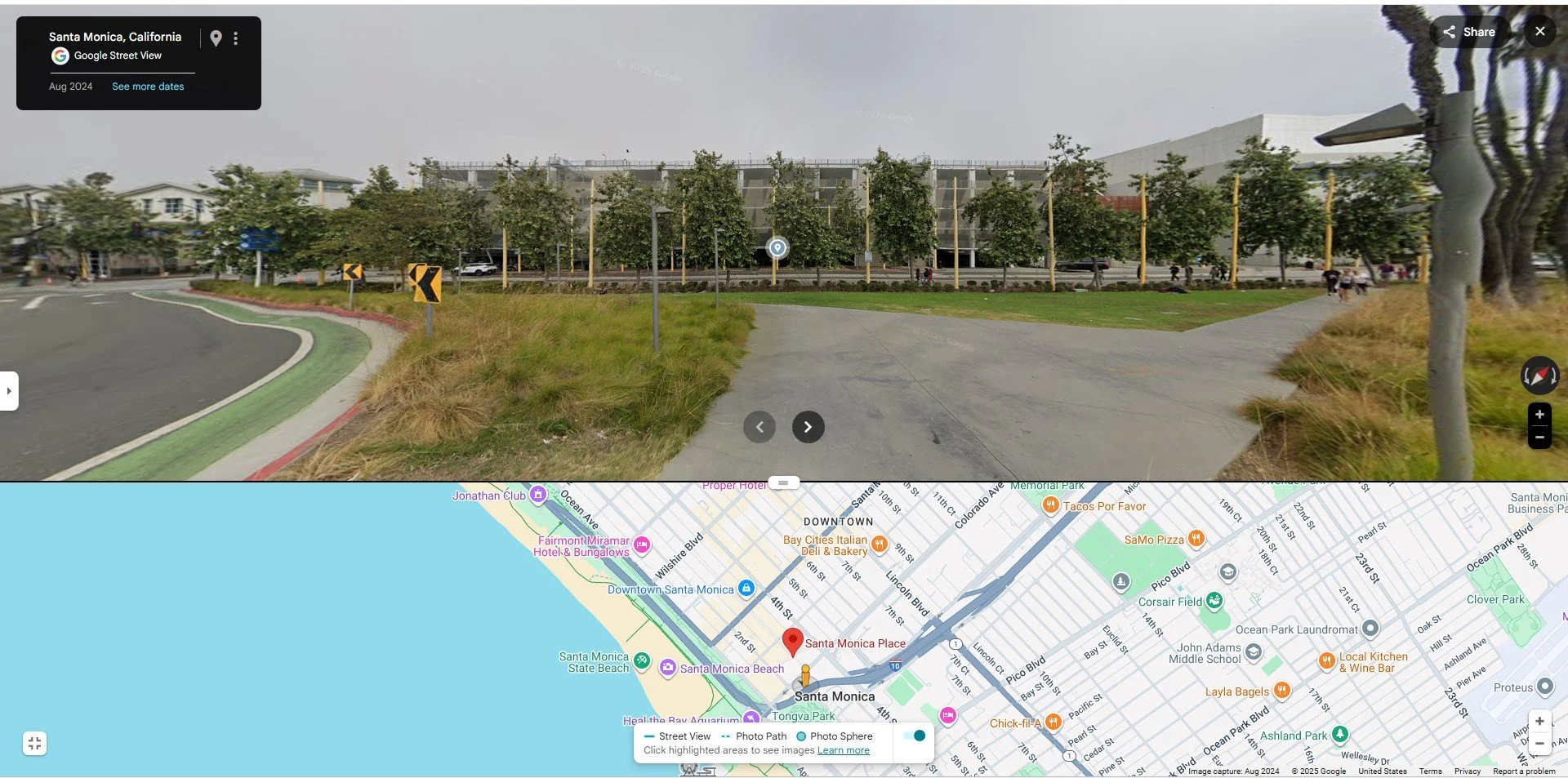
More recently, Santa Monica Place made headlines following the tragedy in Brentwood, after the suspect checked into the Pierside Hotel directly across the street from the mall. Retailers at this location include Tesla and Nike. There was no record of the suspect entering the stores. There was, however, a purchase made at an ARCO gas station, a video shows, only moments before his arrest at Exposition and Vermont in Los Angeles.
Along with in-store events, personalization can be achieved though datasets. The information can become hyper-personalized by presenting everything the customer buys (either in-store or online) in milliseconds. This optimizes the system and allows for customer segmentation.
At the end of the day, instead of daily totals, a dataset can generate a transaction log of each product purchased by a specific customer, along with the store location, payment method, timestamp, and the amount spent.
There does seem to be an economic agenda linked to anything involving financial transactions, and that includes shopping. Economists, as well as the financial sector, recognize growing pressure in managerial economics. This interdependence can also shape the security dynamics associated with retail.
Fortunately, your videos won’t be accumulating late fees, and you will be streaming Netflix instead.