
Project mersh
understanding ai through the lens of data, institutions and public perceptions
By Monica Moran 3/18/2026
Many people I talk to relate to AI as if they have unintentionally donated their brain to science. Enabled macros, telemetry, and decades of logged digital behavior—mouse clicks, scrolls, keystrokes, and other observable data—have created vast datasets. These datasets are now accessible, often anonymously, though controversies persist about whether de‑identification has truly succeeded.
AI systems sometimes surface core scientific concepts—such as nuclear physics fundamentals—to any user. While harmless in isolation, this illustrates how custodianship of knowledge has shifted. Random users may feel empowered to “own” or repurpose content without understanding its origins or context.

Performance-Space Flexibility
The architectural philosophy of PAC NYC—“a machine for performing”—mirrors the operational flexibility of modern AI systems such as “modular programming”.
Terms such as “cross‑disciplinary collaboration” and “rapid reconfiguration”, as well as user‑centered or artist‑centered models, are all used to describe components of PAC NYC as a performance space.
The “we vs. you” dynamic reflects a many‑to‑many media model where identity, intent, and interpretation blur.
This analogy highlights a management culture built on adaptability rather than hierarchy and includes hierarchy within legal and psychological frameworks. Risk assessment frameworks in law and psychology often categorize users by “use type.”
In other words, certain discussion patterns correlate with specific behavioral or psychological profiles. This creates tension between: legal utilitarian reasoning, categorical moral frameworks and psych/social interpretations of user behavior.
Entrance to PAC NYC Downtown Manhattan

Ward entrance Bellevue Hospital Center
Healthcare Workforce Strain
Global physician shortages reflect deeper systemic issues. Hospitals attract highly talented individuals, yet working conditions have deteriorated. The recent nurses’ strike, driven by unsafe and uninhabitable workplace conditions, underscores the crisis. Many hospitals now have an HPA platform, an environment designed to process complex problems at very high speeds similar to PAC NYC.
Security Dynamics and Neurodivergence
Security concerns that caused the nurses to strike could be attributed to the hospital environment overall; individuals with chronic or severe neurodivergent conditions who may engage on the HPA platform and engage in what is described as hyper‑fixation or “chronic checking” of personalized content. This creates vulnerabilities when personalization intersects with mental health, identity, or perceived targeting.
Physicians increasingly lead discussions about how machine learning intersects with clinical research. Many identify COVID‑19 as a turning point, where reporting bias and data‑driven decision‑making reshaped clinical trials and public health into narratives.
Biotech and financial platforms—such as Robinhood—have faced repeated violations involving personal data. Despite this, momentum in data‑driven industries continue largely unchecked.
Corporate Environments and Mixed Reality Speculation
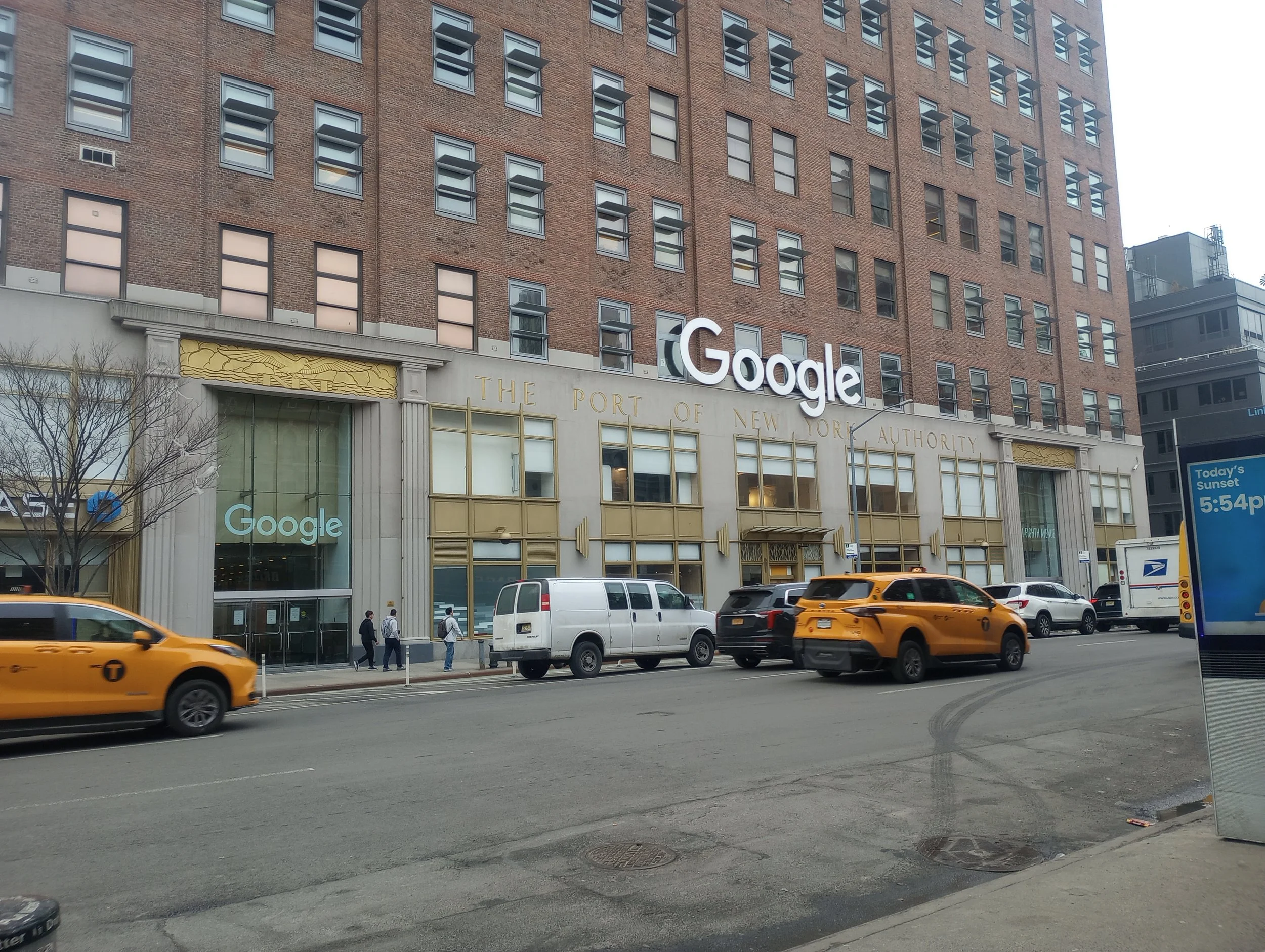
Working in Google’s Eighth Avenue building during the mid‑2000s offers a contrast between its early internal culture and its later public-facing identity. The dramatic shift invites speculation about whether some tech companies operate as mixed‑reality constructs—similar to NASA data centers—where the public narrative diverges from the operational reality. Comparable patterns appear in organizations like SpaceX, especially when a Department of Defense partnership exists.
Google Building 111 Eighth Avenue, New York
The public—whose keystrokes, movements, and interactions populate these datasets—rarely receives transparent explanations about how these datasets were developed or how they are used.
Even basic tools like Microsoft Copilot reveal the sophistication of the individuals whose data shaped modern AI. Reports of targeted tracking for AI functionality raise concerns about how intelligence agencies and private firms interpret user behavior.
The ambiguity surrounding large federal legislation—such as Trump’s “One Big Beautiful Bill” (officially An Act to provide for reconciliation pursuant to title II of H. Con. Res. 14)—reinforces the sense that fictional or opaque narratives shape public understanding of technology, governance, and institutional power.
A central question emerges: Who owns the behavioral data that fuels machine learning?
Cultural Normalization Through Public Media
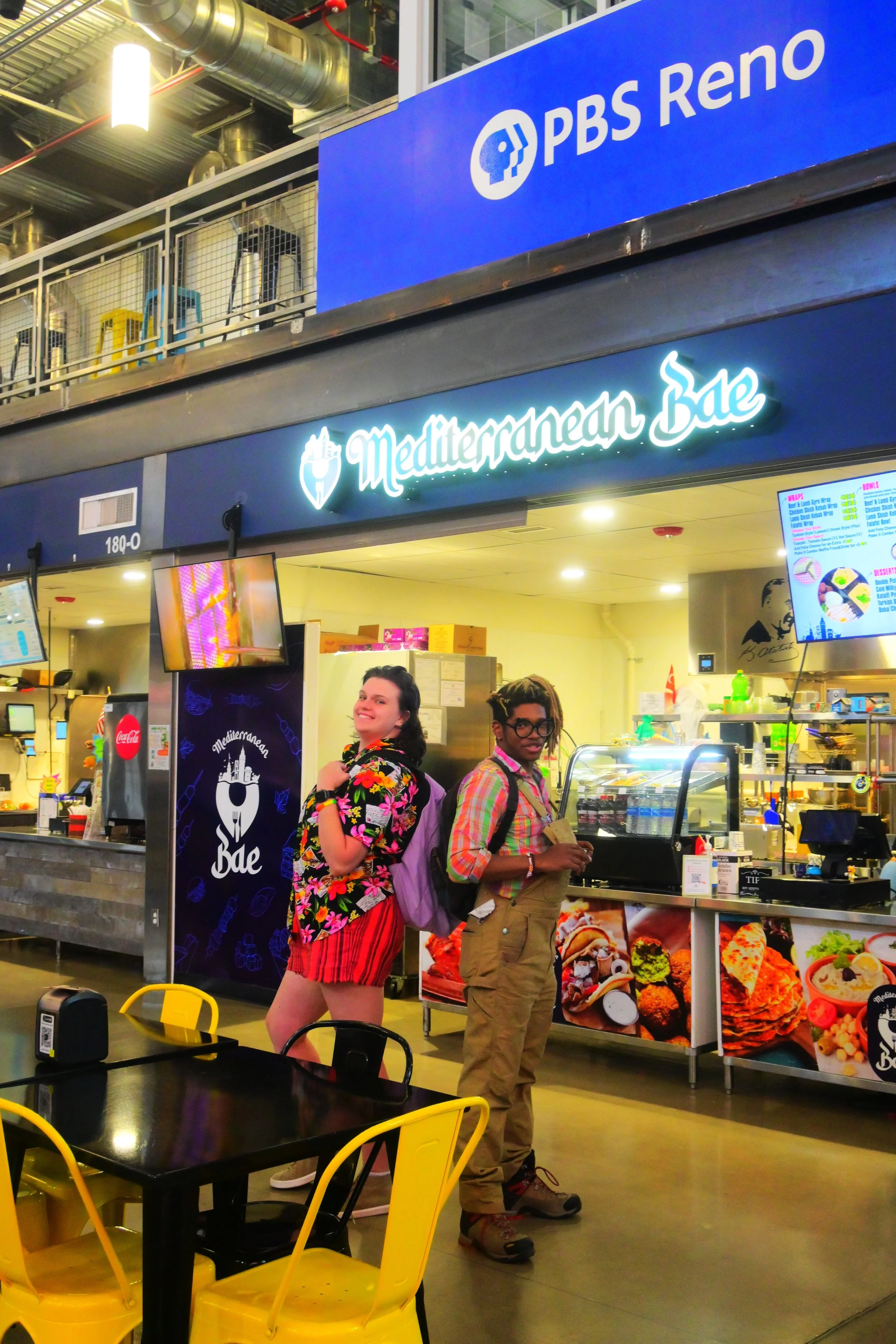
For those raised on public television programs like NOVA, the democratization of scientific content may feel familiar rather than threatening. Yet the shift toward personalized machine‑learning data introduces new risks. Personalization involves highly sensitive information—sometimes collected, sometimes inferred, and sometimes fabricated—making misuse by malicious actors more dangerous.

Pier 90 on the Hudson River
Pier 90 on the Hudson River has been the topic of much speculation throughout the development of the riverbed.